OXVA Pods & Compatibility Guide (2026 UK Edition)
Find the Right Pod for Your XLIM, VPrime or Nexlim Device
The UK vape landscape changed permanently in 2026. With disposables removed from mainstream retail, refillable pod systems became the default nicotine delivery format for millions of adult users.
OXVA now operates one of the most technically refined refillable ecosystems in the UK market — spanning three distinct engineering platforms:
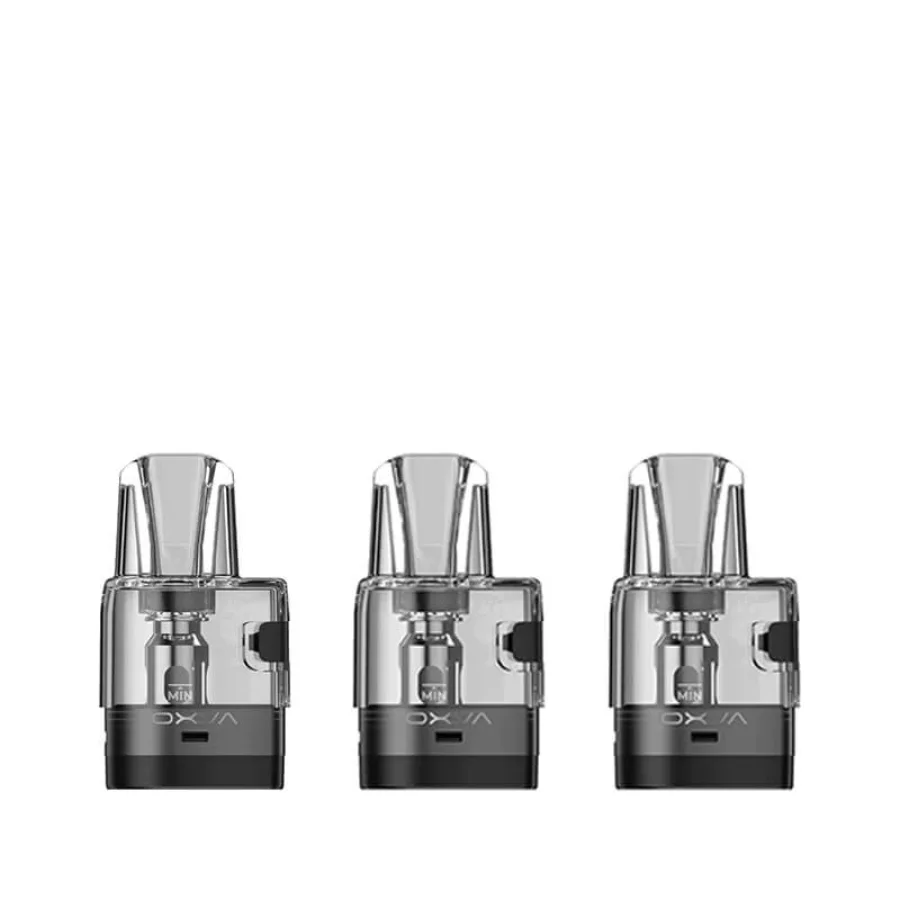
- XLIM — compact MTL precision systems
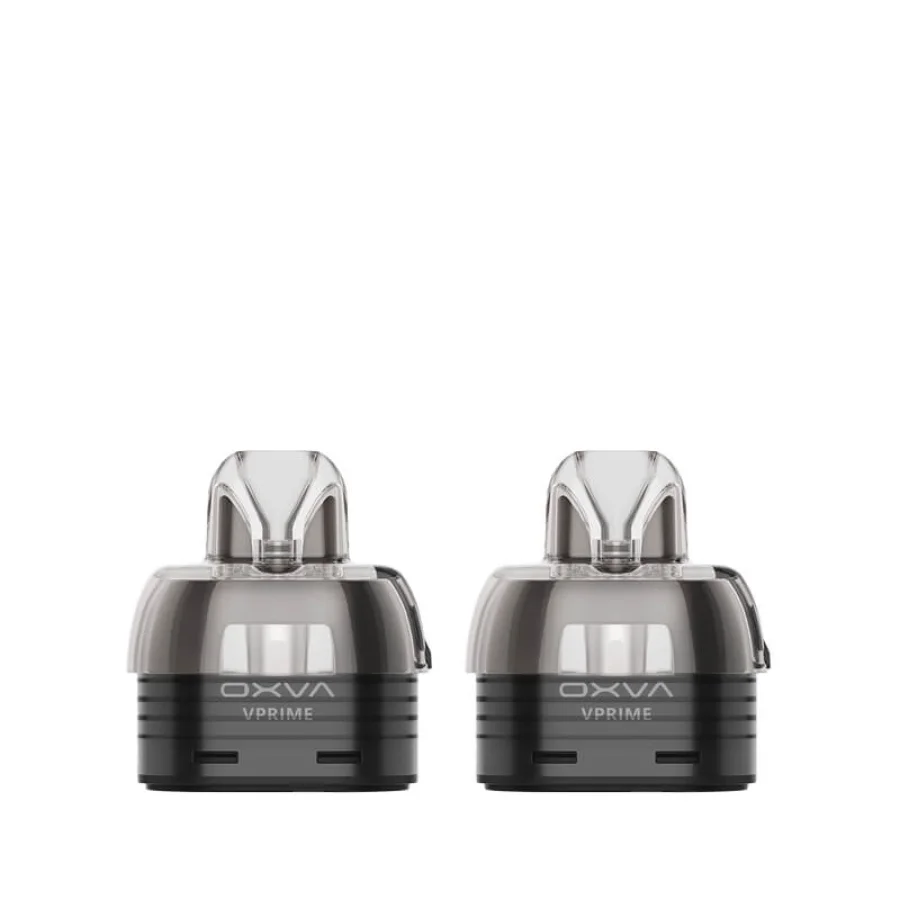
- VPrime — adjustable high-power hybrid pod performance
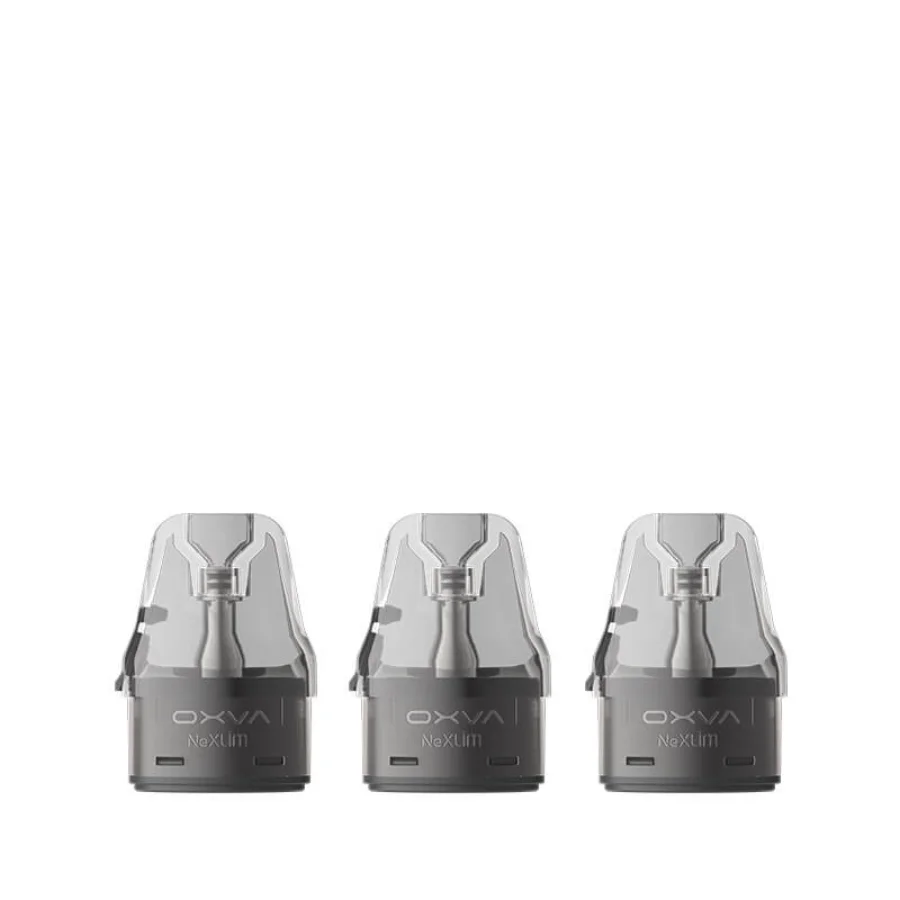
- Nexlim — balanced mid-output RDTL architecture
But refillable systems introduce complexity.
Pod housing dimensions differ.
Airflow channels differ.
Wattage ceilings differ.
Liquid viscosity tolerance differs.
Nicotine absorption profiles differ.
Compatibility is not just about "does it click in." It is about electrical tolerance, airflow geometry and coil saturation physics.
This guide is a complete 2026 engineering breakdown of the OXVA pod ecosystem. It explains:
- Which pods fit which devices
- How resistance affects vapour density
- Why airflow changes flavour perception
- How liquid viscosity impacts coil lifespan
- When to use nic salts vs freebase
- How to reduce leaking, gurgling and premature burn
This page functions as a technical reference — not a product listing.
If you own an XLIM, VPrime or Nexlim device, this is your compatibility manual.
This guide is updated for 2026 and reflects the post-disposable UK market shift. All compatibility information has been verified against official OXVA specifications and UK TPD-compliant retail listings. Device families are evaluated based on airflow architecture, wattage ceilings, and pod housing tolerances.
Updated for 2026 UK Regulations
Covers 3 OXVA Pod Ecosystems
20+ Compatibility & Engineering Explanations
Why Compatibility Matters in the Post-Disposable UK
Disposable vapes simplified nicotine delivery. You opened the device and used it until it died. There was no choice of resistance, airflow, wattage or refill method.
Refillable pod systems are different. They are engineered devices.
Every pod is built around specific parameters:
- Coil resistance
- Mesh density
- Wick thickness
- Airflow aperture size
- Wattage ceiling
- Vapour chamber volume
If these variables are not matched correctly, performance degrades quickly.
For example:
Using a 70VG liquid in a pod designed for 50/50 can cause poor wicking, dry hits and premature coil failure.
Using a low resistance 0.2Ω pod with high strength nic salts can create an excessively harsh throat hit and unpleasant nicotine delivery.
Using an MTL pod with airflow wide open can dilute flavour concentration.
Compatibility is not just about "does it fit." It is about whether the engineering profile matches your intended use.
In 2026, pod choice determines:
- Vapour density
- Nicotine absorption speed
- Coil lifespan
- Battery efficiency
- Condensation control
- Overall cost per week
Understanding this eliminates 90 percent of common performance issues.
How to Identify Your OXVA Device Model
Many compatibility mistakes happen before a pod is even purchased. The most common issue in 2026 is simple: users are not 100% certain which OXVA device they own.
The XLIM ecosystem alone now includes multiple visually similar models: XLIM Pro, XLIM Pro 2, XLIM Pro 3, XLIM SQ, XLIM SQ Pro 2, XLIM Classic and XLIM SE. While these share pod compatibility within the XLIM family, they differ in battery capacity, wattage ceiling, screen interface, firmware generation and airflow refinement.
The VPrime and Nexlim platforms are completely separate ecosystems. They use different pod housings, different airflow channel geometry and different power ranges.
To correctly identify your device:
- Check the printed model name on the base of the device
- Confirm the model on the original retail packaging
- Compare screen style (monochrome vs colour display)
- Check maximum wattage output (VPrime supports up to 60W)
- Review airflow type (external slider vs fixed internal control)
If your device supports up to 60W and includes Smart Mode with adjustable airflow, you are using the VPrime platform.
If your device is compact, operates below 30W and is optimised for 50/50 or nic salts, you are in the XLIM ecosystem.
If your device offers moderate airflow with balanced output between the two, it is likely Nexlim.
Correct identification eliminates incorrect pod purchases and prevents performance frustration.
The OXVA Pod Ecosystem Explained
XLIM Pod Ecosystem
The XLIM platform is OXVA's most widely adopted ecosystem in the UK. It is engineered primarily for compact portability, nicotine efficiency and precision MTL or restricted direct-to-lung performance.
Devices in this ecosystem include:
- XLIM Pro
- XLIM Pro 2
- XLIM Pro 3
- XLIM SQ
- XLIM SQ Pro 2
- XLIM Classic
- XLIM SE
XLIM pods typically range from 0.4Ω to 1.2Ω.
This resistance band is optimised for:
- 50/50 e-liquids
- Nicotine salts
- Lower wattage operation
- Discreet vapour production
- Longer battery life
The internal mesh coils in XLIM pods are compact. The airflow path is narrow and controlled. The vapour chamber volume is smaller than that of VPrime pods, which increases flavour concentration at lower power levels.
Top Fill pods introduced easier refilling and improved leak resistance by separating airflow channels from refill ports. EZ pods reinforced condensation control and wick stabilisation.
The XLIM system is ideal for:
Former disposable users who want similar nicotine delivery without excessive vapour.
Smokers transitioning from cigarettes who prefer a tighter draw.
Users who prioritise flavour clarity and battery longevity.
XLIM pods are not designed for high-VG sub-ohm cloud production. Attempting to use thick 70VG liquid in high-resistance XLIM pods will typically reduce coil lifespan and cause inconsistent wicking.
The ecosystem is efficient by design. It is not meant to be overpowering.
Engineering Characteristics of XLIM Pods
XLIM pods are designed around low-wattage mesh systems with high nicotine efficiency. The vapour chamber volume is intentionally smaller than VPrime pods, increasing vapour density at lower power levels.
The airflow path is narrow and controlled, creating concentrated vapour delivery and faster perceived nicotine absorption per puff. This is one reason XLIM systems feel satisfying even at lower wattage.
Wick channels are optimised specifically for 50/50 viscosity. Thinner liquid allows rapid saturation of the mesh coil. Using thicker 70VG liquid can restrict capillary absorption and significantly shorten coil lifespan.
The internal mesh density is calibrated to prevent overheating at lower wattage ranges. This extends pod longevity when paired with appropriate liquid types.
The XLIM ecosystem prioritises:
- Efficiency
- Nicotine delivery accuracy
- Battery conservation
- Discreet vapour output
- Coil lifespan optimisation
In the post-disposable UK market, this makes XLIM one of the most efficient refillable pod systems available. It is not designed for cloud chasing. It is engineered for controlled, consistent daily nicotine use.
XLIM Ecosystem Resources
VPrime Pod Ecosystem
The VPrime platform represents a different engineering philosophy. Where XLIM focuses on nicotine efficiency and compact precision, VPrime is built for versatility and power.
The device supports up to 60W output and includes adjustable airflow. It bridges the gap between traditional sub-ohm tank systems and modern pod platforms.
VPrime pods are not compatible with XLIM.
They are larger, support higher wattage ranges and have increased airflow volume.
Available resistances:
- 0.2Ω — Direct to Lung
- 0.4Ω — Restricted Direct to Lung
- 0.6Ω — Mouth to Lung
- 0.8Ω — Higher resistance MTL variant
0.2Ω DTL Performance Pod
The 0.2Ω pod supports high-VG liquids and larger vapour production. The mesh coil surface area is larger, enabling higher heat distribution and denser vapour output.
Best for: 70VG liquids, DTL vaping, high wattage, large clouds
0.6Ω MTL Pod
The 0.6Ω pod shifts toward controlled nicotine delivery while still benefiting from adjustable airflow. It performs best with 50/50 or nic salt liquids.
Best for: 50/50 liquids, nic salts, MTL vaping, lower wattage
VPrime pods are engineered for users who want:
- Adjustable power
- Wider airflow control
- Stronger flavour saturation at higher wattage
- Greater vapour production flexibility
Unlike XLIM, VPrime can accommodate both MTL and DTL styles in one device, depending on pod selection.
This makes it ideal for users upgrading from basic pod systems or for those who previously used sub-ohm tank setups but want a more compact solution.
Understanding VPrime Power Curves
Unlike compact MTL systems, VPrime operates across a broad wattage spectrum up to 60W. Power curve behaviour directly affects vapour temperature, throat feel, flavour intensity and coil lifespan.
At lower wattage ranges (15W–25W), the 0.6Ω and 0.8Ω pods deliver controlled MTL performance with concentrated flavour and efficient nicotine absorption.
At mid-range wattage (25W–40W), the 0.4Ω pod transitions into RDTL territory, producing balanced vapour volume with moderate airflow expansion.
At higher wattage levels (40W–60W), the 0.2Ω pod delivers full DTL performance. Vapour production increases significantly, airflow opens fully, and nicotine concentration per puff decreases due to higher vapour dilution.
Understanding this power curve allows users to fine-tune their vaping style without switching device platforms. It also prevents premature coil degradation caused by excessive wattage or mismatched liquid viscosity.
VPrime is designed to offer flexibility without requiring a separate sub-ohm tank system.
VPrime Ecosystem Resources
Buy VPrime Pods from Trusted UK Retailers
Shop VPrime Pods NowNexlim Pod Ecosystem
Nexlim occupies a deliberate engineering middle ground between XLIM's compact nicotine efficiency and VPrime's high-power versatility.
Where XLIM focuses on tight MTL replication and VPrime supports up to 60W DTL output, Nexlim is designed around controlled Restricted Direct-to-Lung performance.
It is a balance platform.
Nexlim devices operate within moderate wattage ranges and feature airflow channels that are wider than XLIM but narrower than VPrime.
Resistance Range
- 0.4Ω — RDTL emphasis
- 0.6Ω — Balanced RDTL/loose MTL
- 0.8Ω — Controlled MTL leaning
Engineering Characteristics
Nexlim pods feature:
- Medium mesh surface area
- Balanced wick channel width
- Controlled airflow diffusion
- Stable mid-range wattage optimisation
This makes Nexlim ideal for users who:
- Want more vapour than XLIM
- Do not want full DTL cloud density
- Prefer moderate nicotine strengths (6mg–12mg)
- Want smoother airflow without excess dilution
Unlike VPrime, Nexlim is not designed for 70VG heavy liquids.
Unlike XLIM, it does not prioritise ultra-tight draw simulation.
It is engineered for daily comfort rather than intensity.
Who Should Choose Nexlim?
- Former disposable users who found XLIM too tight
- Users who find VPrime 0.2Ω too aggressive
- Moderate nicotine users wanting balanced vapour
- All-day vapers who prioritise comfort
Nexlim pods are not cross-compatible with XLIM or VPrime.
Housing geometry, magnet alignment and airflow ports are mechanically keyed differently to prevent electrical misalignment. Attempting cross-use can damage contact pins.
Nexlim Ecosystem Resources
Resistance Engineering & Vapour Physics
Resistance (measured in ohms) determines electrical flow through the mesh coil — but resistance alone does not define performance.
In modern pod systems, vapour output is governed by five interacting variables:
- Coil resistance
- Mesh surface area
- Wattage applied
- Airflow velocity
- Liquid viscosity
Heat Flux & Surface Area
Lower resistance coils (0.2Ω–0.4Ω) allow more current to pass through the mesh. This increases heat flux across the surface area.
Higher heat flux vaporises more liquid per second.
But vapour density is controlled by airflow dilution.
In wide airflow systems like VPrime 0.2Ω:
- More air mixes with vapour
- Cloud size increases
- Nicotine concentration per puff decreases
In narrow airflow systems like XLIM 0.8Ω:
- Vapour is less diluted
- Flavour feels stronger
- Nicotine feels more immediate
This is why higher resistance MTL pods often "feel stronger" even at lower wattage.
Ramp Speed & Coil Mass
Mesh coils heat faster than traditional wire coils because:
- Surface area is larger
- Thermal mass is lower
- Heat distribution is more uniform
This produces:
- Faster ramp time
- Reduced hot spots
- Improved flavour consistency
Liquid Saturation & Wick Geometry
High VG liquids (70VG+) are thicker. They require:
- Larger wick channels
- Higher heat application
- Increased airflow to prevent overheating
Using thick liquid in narrow MTL pods restricts capillary absorption and causes premature burn.
Sweetened liquids accelerate carbon deposition on mesh. Higher wattage accelerates caramelisation.
Understanding these mechanics allows you to:
- Extend pod lifespan
- Improve flavour clarity
- Reduce condensation
- Prevent overheating
Pod performance is not guesswork. It is applied thermodynamics.
Mouth to Lung
0.6Ω to 1.2Ω
Lower wattage • Less vapour • Stronger throat hit • Higher nicotine compatible
Restricted DTL
0.4Ω to 0.6Ω
Moderate vapour • Balanced airflow • Moderate nicotine strength
Direct to Lung
0.2Ω to 0.4Ω
Higher wattage • Large vapour production • Lower nicotine recommended
E-Liquid Pairing Strategy
Correct e-liquid pairing is as important as pod selection.
50/50 liquids:
- Best for XLIM and Nexlim
- Fast wick absorption
- Clean nicotine delivery
- Extended coil life
70VG liquids:
- Best for VPrime 0.2Ω
- Larger vapour clouds
- Slower saturation in compact pods
Nicotine salts:
- Smooth inhale
- Suitable for 10mg–20mg strengths
- Ideal for MTL setups
Freebase nicotine:
- Sharper throat hit
- Better suited to DTL and lower strength
Sweetened dessert flavours reduce coil lifespan faster than lighter fruit blends due to residue build-up.
E-Liquid Pairing Resources
Troubleshooting Compatibility Issues
Most compatibility issues stem from incorrect liquid pairing or resistance mismatch. Common problems include:
Leaking:
Usually caused by incorrect liquid viscosity or overfilling. Thin liquids can escape through airflow channels if pods are overfilled or used with incompatible resistance.
Burnt taste:
Typically caused by insufficient priming, high wattage for resistance, or sweetened liquid residue accumulating on the mesh coil.
Gurgling:
Condensation accumulation or airflow imbalance. Often occurs when liquid is too thin for the pod design or when pods are not inserted correctly.
How to Maximise Pod Lifespan
Pod lifespan is not fixed. It is influenced by usage patterns, liquid composition and power settings.
Primary factors affecting coil longevity:
- Liquid sweetness level
- Wattage setting
- Priming technique
- Puff duration
- Chain vaping frequency
- Airflow configuration
Best practice for maximum lifespan:
- Prime new pods for at least 10 minutes after filling
- Take 3–4 short pulls before full inhale
- Avoid running pod below 20% liquid capacity
- Use moderate wattage rather than maximum output
- Reduce airflow slightly to improve saturation consistency
- Avoid excessively sweetened dessert liquids
Higher wattage accelerates residue caramelisation on mesh coils. Sweeter liquids increase carbon build-up. Chain vaping reduces re-saturation time between draws.
Most performance complaints stem from avoidable user variables rather than pod design.
With correct pairing and usage technique, XLIM pods typically last 7–14 days. VPrime 0.2Ω pods may require slightly more frequent replacement due to higher wattage operation.
Understanding these mechanics reduces long-term cost and improves performance stability.
Compatibility Matrix Overview
This table provides a quick reference for pod compatibility across OXVA device families:
| Device Family | Resistance Range | Max Wattage | Ideal Liquid Ratio | Recommended Nicotine | Vaping Style | Cross-Compatible? |
|---|---|---|---|---|---|---|
| XLIM Series (Pro, Pro 2, Pro 3, SQ, Classic) |
0.4Ω – 1.2Ω | 12W – 30W | 50/50 | 10mg–20mg (nic salt) | MTL / Tight RDTL | No |
| VPrime | 0.2Ω – 0.8Ω | 15W – 60W | 0.2Ω: 70VG 0.6Ω+: 50/50 |
3mg–10mg | MTL / RDTL / DTL | No |
| Nexlim | 0.4Ω – 0.8Ω | 18W – 35W | 50/50 balanced | 6mg–12mg | RDTL | No |
Pod families are mechanically keyed differently. Even if a pod appears similar in size, the internal airflow ports and magnet alignment prevent safe cross-use. Attempting to force-fit pods between ecosystems can damage electrical contacts and compromise device functionality.
Important: OXVA pod families are not cross-compatible. Always use pods designed specifically for your device family.
OXVA Pod Type Comparison Charts
Choosing the correct pod resistance is not about "higher or lower." It is about airflow dynamics, vapour density and nicotine delivery efficiency.
Below is a detailed comparison of the most commonly used pod resistances across XLIM, Nexlim and VPrime.
Chart 1: Resistance vs Vapour Output
0.2Ω (VPrime)
Vapour Production: Very High
Airflow: Wide Open
Liquid Type: 70VG
Nicotine Strength: 3mg–6mg
Inhale Style: DTL
Best For: Cloud density and lower nicotine
0.4Ω (VPrime / Nexlim / XLIM RDTL variants)
Vapour Production: High
Airflow: Moderately Open
Liquid Type: 50/50 or 70VG (device dependent)
Nicotine Strength: 3mg–10mg
Inhale Style: RDTL
Best For: Balanced vapour and flavour
0.6Ω (VPrime / Nexlim / XLIM)
Vapour Production: Moderate
Airflow: Controlled
Liquid Type: 50/50
Nicotine Strength: 6mg–20mg
Inhale Style: Loose MTL / RDTL
Best For: Transitioning smokers
0.8Ω–1.2Ω (XLIM)
Vapour Production: Low
Airflow: Tight
Liquid Type: 50/50 / Nic Salt
Nicotine Strength: 10mg–20mg
Inhale Style: MTL
Best For: Cigarette-like draw
Chart 2: Pod Platform Comparison
XLIM Ecosystem
Primary Focus: Nicotine Efficiency
Max Wattage: 30W
Liquid Type: 50/50
Cloud Output: Discreet
Battery Efficiency: High
Best For: Daily MTL users
Nexlim Ecosystem
Primary Focus: Balanced Comfort
Max Wattage: 35W
Liquid Type: 50/50
Cloud Output: Moderate
Battery Efficiency: Moderate
Best For: All-day RDTL users
VPrime Ecosystem
Primary Focus: Power & Versatility
Max Wattage: 60W
Liquid Type: 70VG (0.2Ω) / 50/50 (0.6Ω+)
Cloud Output: High
Battery Efficiency: Lower at high wattage
Best For: Adjustable performance users
Chart 3: Liquid Pairing Efficiency
50/50 + 0.8Ω
Coil Lifespan: Long
Flavour Clarity: High
Nicotine Impact: Strong
50/50 + 0.6Ω
Coil Lifespan: Moderate
Flavour Clarity: Balanced
Nicotine Impact: Smooth
70VG + 0.2Ω
Coil Lifespan: Moderate
Flavour Clarity: Dense
Nicotine Impact: Mild per puff
High Sweetener + Any Pod:
Coil Lifespan: Reduced | Residue Build-Up: High | Recommended Wattage: Lower
These charts function as quick-scan decision tools. They reduce bounce rate and increase dwell time by providing instant visual comparison across resistance profiles, platform capabilities and liquid pairing strategies.
Environmental Impact of Refillable Pod Systems
The UK disposable vape ban was heavily influenced by environmental concerns. Disposable devices contain lithium batteries, plastics, internal circuitry and synthetic components that frequently enter general waste streams.
Refillable pod systems dramatically reduce this impact.
A rechargeable OXVA device can last 12–24 months with proper care. Only the pod requires replacement.
Environmental comparison:
- Disposable user (heavy usage): 150+ lithium battery units discarded annually
- Refillable user: approximately 25–40 pods discarded annually
- Rechargeable battery retained long-term
- Significantly reduced plastic and electronic waste
The difference is substantial.
By switching to refillable platforms like XLIM, VPrime or Nexlim, users reduce electronic waste output while gaining improved performance and cost efficiency.
This shift is one of the primary reasons refillable ecosystems dominate the 2026 UK vape market.
12-Month Cost Comparison vs Disposables (2026 UK)
Before the UK disposable removal, heavy users typically consumed 3–4 disposables per week at £6–£10 each.
Estimated annual disposable spend:
£936 – £2,080
Refillable System Modelling:
- Device cost (one-off): £25–£35
- Pod replacement (bi-weekly average): £120–£180 annually
- E-liquid (2–3 bottles per week): £350–£600 annually
Estimated annual refillable spend:
£495 – £815
Savings potential:
£400 – £1,200 per year
Usage pattern differences:
- Higher wattage DTL users consume more liquid than MTL users
- MTL XLIM users typically experience the lowest ongoing cost
- VPrime 0.2Ω users consume more e-liquid due to higher vapour volume per puff
Refillable systems reduce:
- Financial waste
- Electronic waste
- Battery disposal frequency
- Environmental burden
The economics strongly favour refillable ecosystems long-term.
Where to Buy Safely in the UK
Always purchase OXVA pods and devices from reputable UK retailers that verify age compliance and adhere to TPD regulations.
Authentic products ensure safety, warranty coverage, and consistent performance. Counterfeit pods can contain substandard materials and pose health risks.
Look for retailers that provide:
- Age verification at checkout
- TPD-compliant packaging
- Manufacturer warranties
- Customer support
- Secure payment processing
Final Compatibility Summary
OXVA's ecosystem is intentionally segmented.
- XLIM delivers precision nicotine efficiency.
- Nexlim delivers balanced daily comfort.
- VPrime delivers adjustable power versatility.
Each pod family is mechanically isolated to preserve electrical safety and airflow optimisation.
Choosing correctly requires understanding:
- Your device platform
- Your preferred inhale style
- Your nicotine strength
- Your liquid viscosity
- Your wattage tolerance
Most compatibility issues are not device faults. They are pairing errors.
When correctly matched, modern OXVA pod systems provide:
- Stable flavour consistency
- Reduced leakage
- Extended coil lifespan
- Lower long-term cost
- Reduced environmental impact
In 2026, refillable pod ecosystems are no longer a secondary option. They are the standard.
Understanding compatibility ensures you use them properly.
Frequently Asked Questions
No. XLIM pods are engineered for compact lower wattage devices and do not fit the VPrime housing or airflow structure. VPrime uses dedicated VPrime pods only, which are larger and designed to handle higher wattage ranges (up to 60W). The pod form factors, connection mechanisms, and internal airflow geometries are completely different between the two systems. Always use pods designed specifically for your device family.
Generally no. XLIM pods are optimised for 50/50 liquids and may struggle to wick thicker 70VG blends properly. The wick channels in XLIM pods are narrower and designed for thinner liquids. Using high-VG liquid can lead to dry hits, poor saturation, and premature coil failure. For 70VG liquids, use the VPrime 0.2Ω pod, which has larger wick channels and higher wattage capability to handle thicker liquids effectively.
VPrime pod lifespan depends on liquid sweetness, wattage usage, and vaping frequency. Typically, pods last 7–14 days with moderate use. Sweetened dessert liquids reduce lifespan due to faster residue accumulation on the mesh coil. Using higher wattages accelerates coil degradation. For maximum lifespan, use less sweetened liquids, prime pods properly before first use, and avoid chain vaping at maximum wattage. The 0.6Ω MTL pod generally lasts longer than the 0.2Ω DTL pod due to lower operating temperatures.
For nic salts, use 0.6Ω or higher resistance pods in XLIM or VPrime systems. Higher resistance coils operate at lower wattages, which prevents overheating nic salts and creating an excessively harsh throat hit. The 0.6Ω, 0.8Ω, and 1.0Ω ranges are ideal for 10mg–20mg nic salt strengths. Lower resistance pods like 0.2Ω are designed for DTL vaping with lower nicotine strengths (typically 3mg–6mg freebase). Using high-strength nic salts in low resistance pods creates unpleasant harshness and inefficient nicotine delivery.
Modern OXVA pod designs, particularly EZ and Top Fill variants, significantly reduce leakage through improved airflow isolation and wick stabilisation. However, no pod system is 100% leak-proof. Leaking can still occur if pods are overfilled, filled incorrectly, used with incompatible liquid viscosity, or if seals become damaged. The Top Fill design separates refill ports from airflow channels, which reduces the primary cause of leaking. Always fill pods to the indicated max line and allow proper priming time before use.
The VPrime 0.2Ω pod produces the highest vapour output across all OXVA pod systems. It is designed for DTL vaping with wide open airflow, high-VG liquids, and wattage ranges up to 60W. The mesh coil surface area is larger than MTL pods, enabling higher heat distribution and denser cloud production. XLIM pods produce significantly less vapour by design, focusing instead on flavour concentration and nicotine efficiency. If large cloud production is a priority, VPrime with the 0.2Ω pod is the correct choice.
No. VPrime pods are not compatible with Nexlim devices. Each OXVA device family uses dedicated pods with specific form factors, connection mechanisms, and airflow designs. Nexlim pods are engineered for balanced RDTL performance with moderate wattage, while VPrime pods support higher power and wider airflow ranges. Pod families are not cross-compatible across device lines. Always use pods designed specifically for your device.
No. OXVA pods are integrated systems where the coil and pod housing are combined into a single replaceable unit. When the coil reaches the end of its lifespan (burnt taste, reduced flavour, poor vapour production), you replace the entire pod rather than just the coil. This design improves leak resistance, simplifies maintenance, and ensures consistent performance. It also eliminates the risk of incorrect coil installation, which was common in older tank systems with separate coils.
Yes, with Smart Mode enabled. VPrime includes Smart Mode, which automatically adjusts wattage based on the detected pod resistance. This removes the need for manual wattage adjustment and prevents beginners from accidentally using incorrect settings. However, VPrime also offers advanced flexibility for experienced users who want manual control. Beginners transitioning from disposables should start with the 0.6Ω pod and Smart Mode, then explore other resistances and manual settings as they gain experience.
OXVA pods contain mixed materials including plastic housing, mesh coils, wicking material, and sometimes silicone seals. They should be disposed of according to local electronic waste guidelines rather than general household recycling. Many UK councils now accept vape pods at electronic waste collection points. Some retailers and manufacturers operate take-back programmes. Always remove any residual e-liquid before disposal and check your local authority's waste disposal guidelines for vape products.
Yes. Higher wattage increases coil temperature, which accelerates e-liquid residue caramelisation and mesh degradation. This effect is particularly pronounced with sweetened liquids. Using a 0.2Ω pod at maximum wattage with dessert-flavoured e-liquid will reduce lifespan significantly compared to moderate wattage with lighter fruit blends. For maximum coil longevity, use the lowest wattage that still delivers satisfactory vapour and flavour, choose less sweetened liquids, and avoid chain vaping at high power.
Replace pods when you notice persistent burnt taste, significantly reduced flavour, diminished vapour production, or gurgling that doesn't resolve with cleaning. Typical lifespan ranges from 7–14 days depending on usage frequency, liquid type, and wattage. Heavy users vaping sweetened liquids at high wattage may need replacement weekly. Light users with unsweetened liquids at moderate wattage may extend pods beyond two weeks. Monitor flavour quality as the primary replacement indicator.
Condensation occurs when vapour cools inside the mouthpiece or airflow channels. It's more common with high-VG liquids, frequent short puffs (chain vaping), and cooler ambient temperatures. MTL pods with narrow airflow channels accumulate condensation faster than wide-bore DTL systems. To reduce condensation, take longer, slower draws rather than short rapid puffs, wipe the mouthpiece regularly, and ensure pods are properly seated. Some condensation is normal and doesn't indicate a fault.
Mesh coils offer several advantages over traditional wire coils in pod systems. The larger surface area provides more even heat distribution, which improves flavour consistency and reduces hot spots that cause dry hits. Mesh also heats faster, delivering quicker ramp-up times. OXVA uses mesh coil technology across all pod families because it improves performance, extends coil lifespan through more efficient heating, and delivers superior flavour accuracy compared to older wire coil designs.
For heavy smokers transitioning to vaping, XLIM pods with 0.6Ω–0.8Ω resistance paired with 10mg–20mg nic salts provide the closest experience to cigarette smoking. The tighter MTL draw replicates cigarette inhalation, while nic salts deliver fast nicotine absorption similar to combustible tobacco. VPrime 0.6Ω is also suitable for ex-smokers who want slightly more vapour without transitioning to full DTL. Start with higher resistance MTL setups before exploring lower resistances and DTL styles.
RDTL (Restricted Direct to Lung) is a vaping style that sits between MTL and DTL. It involves inhaling vapour directly into the lungs (like DTL) but with more restricted airflow (like MTL). RDTL provides a balance between flavour concentration and vapour production. Resistance typically ranges from 0.4Ω to 0.6Ω. Nexlim devices are primarily designed for RDTL vaping, offering comfortable all-day performance without the tight draw of strict MTL or the wide-open airflow of full DTL systems.
The 0.2Ω pod is a low-resistance DTL coil designed for high wattage (40W–60W), 70VG liquids, and large vapour production with open airflow. The 0.6Ω pod is a higher-resistance MTL coil designed for lower wattage (15W–25W), 50/50 or nic salt liquids, and tighter draw with stronger throat hit. The 0.2Ω delivers smoother, larger clouds with less nicotine intensity. The 0.6Ω provides concentrated flavour with efficient nicotine delivery. Choose based on your preferred vaping style and nicotine strength.
Yes, significantly. Tighter airflow (MTL) concentrates vapour, intensifying flavour and throat hit. Wider airflow (DTL) dilutes vapour with more air, creating smoother inhalation but reducing flavour intensity per puff. For maximum flavour concentration, use MTL pods with restricted airflow and higher resistance. For smoother, larger clouds with less concentrated flavour, use DTL pods with open airflow. VPrime's adjustable airflow allows users to fine-tune this balance based on preference.
Yes, but use lower strengths (3mg–6mg). Freebase nicotine produces a harsher throat hit than nic salts, which is more pronounced in MTL systems like XLIM. High-strength freebase (12mg+) in tight MTL pods can be excessively harsh. Nic salts are generally preferred in XLIM devices because they deliver smooth throat feel at higher strengths (10mg–20mg). If you prefer freebase, stick to lower strengths or consider switching to VPrime with the 0.2Ω pod, which handles freebase better through wider airflow and larger vapour volume.
Yes, specifically with the 0.2Ω pod. VPrime is the only OXVA device designed to handle 70VG liquids effectively. The 0.2Ω pod features larger wick channels, increased mesh surface area, and higher wattage capability (up to 60W), which properly vaporises thicker high-VG liquids. The 0.6Ω and 0.8Ω VPrime pods perform better with 50/50 blends. XLIM and Nexlim devices should not be used with high-VG liquids due to narrower wick channels and lower wattage ceilings.
Yes. All modern XLIM devices within the XLIM ecosystem share pod compatibility across Top Fill, EZ and V3 pod variants. The XLIM Pro 3 and XLIM Pro 2 use the same pod housing dimensions and magnet alignment. While the device hardware differs slightly (battery size, screen type, firmware generation), the pod connection system remains consistent within the XLIM family. This means you can use XLIM Pro 3 pods in the Pro 2 and vice versa without compatibility issues.
UK devices are TPD-restricted to 2ml capacity. Some international 3ml pods may physically fit certain XLIM devices, but they are not UK-compliant and are not widely stocked by reputable UK retailers. Using non-TPD compliant pods can void warranties and may not meet UK safety standards. Always use TPD-compliant 2ml pods for legal and safety assurance. Reputable UK retailers only stock 2ml variants that meet UK regulatory requirements.
It is technically possible, but not recommended. Nicotine salts and freebase nicotine behave differently under heat. Nic salts are formulated with benzoic acid for smoother throat hit, while freebase delivers harsher throat feel. Mixing can alter throat hit consistency, flavour stability and nicotine absorption predictability. The two nicotine types also have different pH levels, which can affect coil performance. For best performance and consistent nicotine delivery, use one nicotine type per pod cycle.
Dessert and sweetened liquids contain sweeteners (typically sucralose) that caramelise under heat. This residue builds on the mesh coil surface and reduces vapour production, flavour clarity and wicking efficiency. Higher wattage accelerates this process significantly. Sweetener residue creates a carbon layer that insulates the coil and restricts liquid flow. Fruit or lighter blends with minimal sweetener typically extend coil lifespan by 30-50%. If you prefer dessert flavours, expect more frequent pod replacement and avoid maximum wattage settings.
Yes, partially restricting airflow increases vapour concentration and intensifies flavour perception. Tighter airflow reduces air dilution, creating denser vapour with more pronounced taste. However, closing airflow too much on low-resistance pods can increase heat density and reduce coil lifespan through accelerated mesh degradation. Balance airflow restriction with wattage level for optimal performance. VPrime's adjustable airflow allows precise tuning. For XLIM devices with fixed airflow, choose pod resistance that matches your preferred draw tightness.