
Your First Week Vaping After Quitting Cigarettes: What to Expect
The first week after switching from cigarettes to vaping is the hardest. Your body is adjusting, your habits are being rewired, and there will be moments where you feel worse rather than better. This is normal - and it passes. Here is exactly what to expect, day by day, and how to handle it.
Day 1: the switch
If you are still deciding which vape to use, see our best vapes for quitting smoking in 2026 to pick the right device before you start.
The most important thing on day one is simple: every time you would have reached for a cigarette, reach for your vape instead. Do not try to count how many times you vape. Do not try to hold back. The goal on day one is just to not smoke a single cigarette.
What you will notice:
- The vape satisfies the craving, but it feels different. The throat hit is slightly different from a cigarette. The exhale is different (vapour, not smoke). This is normal - your brain will adjust within a few days.
- You might feel slightly light-headed if 20mg nic salts are a new experience. Take fewer puffs per session if this happens - do not stop vaping entirely.
- You might feel a mild headache or irritability in the afternoon if you undershoot your nicotine. Vape more freely and this should resolve.
Your only goal today: Zero cigarettes. Do not count vape sessions.
Days 2-3: the dip
Days 2 and 3 are where many people feel unexpectedly rough. This is not vaping’s fault - it is your body starting to clear out years of cigarette residue.
The “quitter’s cough”: Your lungs have tiny hair-like structures called cilia that cigarette tar paralyses. Within 24-48 hours of not smoking, the cilia begin to recover and start sweeping tar and debris upward. This produces a cough that can feel alarming. It is a sign of healing, not damage. It typically peaks around day 3-5 and then reduces quickly.
Increased phlegm: Related to the above - the debris being cleared produces more phlegm than usual. Unpleasant, but temporary. Drink plenty of water.
Headache: Mild headaches are common as your carbon monoxide levels normalise and blood oxygen improves. They usually go by end of week one. Paracetamol is fine.
Sleep disruption: Nicotine is a stimulant. When your body’s nicotine metabolism adjusts, some people experience vivid dreams or slightly disturbed sleep for a few days. This is documented even in smokers who quit cold turkey.
Days 3-5: the cravings shift
By day 3, the purely physical nicotine withdrawal is mostly over - your blood nicotine levels have stabilised with the vape. What remains are habit cravings: the urge to smoke that is triggered not by lack of nicotine, but by situations associated with smoking.
Common triggers in the first week:
- Morning coffee (if you always smoked with a coffee)
- After a meal
- Work breaks / stepping outside
- Driving
- Alcohol or social situations
- Stress or boredom
The solution for all of these is the same: vape instead, in that moment. Do not try to skip the break or avoid the coffee - just replace the cigarette with the vape in the same context. The brain rewires the association over 2-3 weeks of consistent replacement.
Days 5-7: the turn
Most people report a clear improvement from around day 5. The cough is lessening. Sleep is better. Cravings are less frequent and less intense. Food tastes noticeably better (cigarettes suppress taste and smell - both start recovering within 48 hours of stopping).
By the end of week one, if you have vaped instead of smoked every time a craving hit, you should notice:
- Cravings down from perhaps every 20-30 minutes to every 60-90 minutes
- Cravings that pass more quickly than before
- No cough if you were a lighter smoker; improvement in cough if you were a heavier smoker
- Improved morning breathing
- A small financial saving already (cigarettes are now around £15/pack)
Getting your nicotine right
The most common mistake in week one is being on the wrong nicotine strength. Signs it is wrong:
- Too low: Cravings not satisfied, vaping constantly, tempted to smoke a “real” cigarette “just once”. Fix: go up to 20mg if you are on 10mg.
- Too high: Headache, dizziness, heart racing, feeling sick. Fix: drop to 10mg, or take fewer puffs per session.
As a reminder: if you were smoking 10+ cigarettes a day, 20mg nic salt is almost certainly the right starting point. Our nic salt strength guide covers this in full.
Keep a spare pod filled
The most common cause of relapse in week one is running out of e-liquid or battery when a craving hits. Running dry and not having a cigarette nearby is manageable. Running dry and being offered a cigarette by a colleague or friend in the first week is much harder to resist.
Keep a spare pod, pre-filled with e-liquid, in your bag or pocket at all times. Keep your device charged before you sleep each night. These two habits alone prevent the majority of week-one relapses.
The things nobody tells you
A few things that come as a surprise to most new vapers:
- You will vape more than you smoked (at first). Cigarettes have a natural endpoint - the cigarette burns down and you stub it out. A vape does not. In the first week, you might vape in shorter, more frequent sessions. This is fine and reduces naturally.
- The flavour of your e-liquid matters more than you think. If you hate the taste, the habit is harder to maintain. Experiment with 2-3 different flavours in week one.
- You might not miss it as much as you feared. Many smokers are surprised that the switch is easier than they expected. The fear of quitting is often worse than the actual process.
- The smell is the first thing other people notice. Within a week, your clothes, breath, and car will smell noticeably better. You might not notice it yourself - others will tell you.
Week two and beyond
By week two, the physical adjustment is almost always complete. What remains is building the new habit and dismantling the old psychological patterns. This takes 4-8 weeks for most people, not one week - be patient with yourself.
Most smokers who make it past week two do not return to cigarettes. The cravings continue to reduce in frequency and intensity month on month. By the 3-month mark, most people describe their relationship with cigarettes as genuinely over.
Frequently asked questions
Is it normal to feel worse in the first few days of vaping instead of smoking?
Yes, completely normal. When you stop smoking, your lungs begin clearing out the tar and mucus built up from cigarettes. This causes a cough, increased phlegm, and sometimes a blocked nose. This is your body healing, not vaping causing harm. The symptoms typically peak at days 3-5 and improve rapidly after that.
Why do I still want a cigarette even though I am vaping?
Cravings in the first week are mostly psychological, not just physical. You are breaking a deeply ingrained routine - the hand-to-mouth motion, the break from work, the ritual with coffee. The nicotine craving goes within hours, but the habit craving takes longer. Vape every time you would have smoked, and try to replicate as much of the ritual as possible.
How many times a day should I vape in the first week?
There is no set number. Vape whenever you feel a craving coming on and stop when the craving passes. Most new vapers vape more frequently in the first week than they will long-term - that is normal. Your usage will naturally decrease as cravings become less frequent and less intense.
Can I smoke and vape at the same time?
You can, and for some people "dual use" is a stepping stone. But the evidence shows that the best quit outcomes come from switching completely - not reducing cigarettes gradually while also vaping. If you smoke even a few cigarettes a day, the brain keeps associating stress or triggers with cigarettes. Complete replacement works better.
What should I do if vaping gives me a headache?
A headache in the first few days usually means your nicotine strength is too high. Drop from 20mg to 10mg. If the headache persists, drink more water - vaping can cause mild dehydration in some people, especially in the first week when you are adjusting. If symptoms persist beyond a week, speak to your GP.
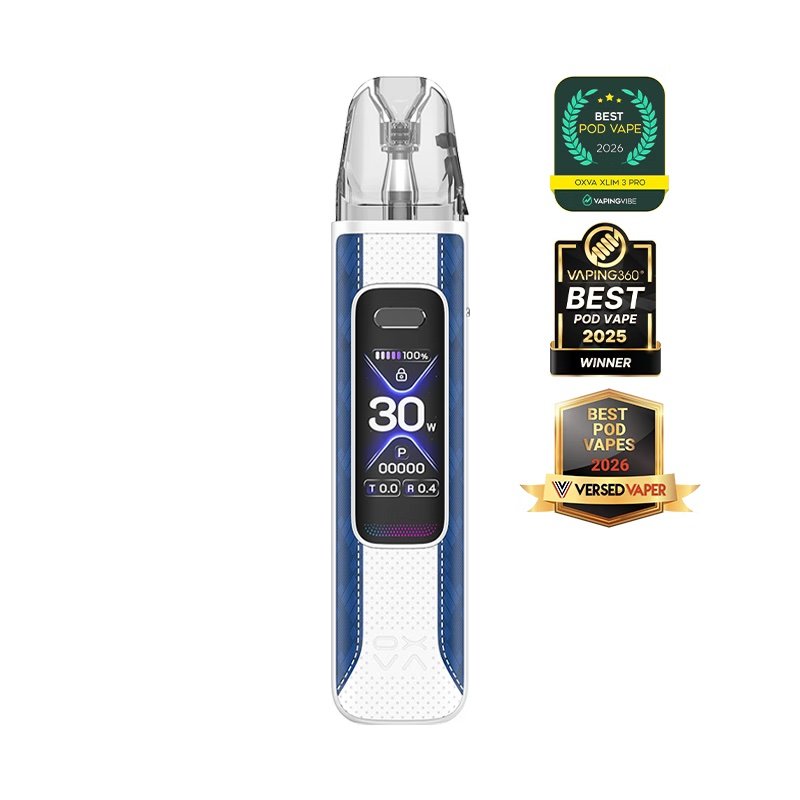
OXVA XLIM Pro 3 - recommended starter kit
Comes with two pods, easy to fill, draw-activated. Get spare pods before you run out. 18+ only.